
TTC3018Pro CNC ROUTER

Intro
So today I want to talk about the Two Trees TTC3018 Pro CNC router.
As the name suggests, this machine is based on the very common 3018 CNC format, which is often seen as an entry point into CNC machining. I went for the Pro version, which comes with a few upgrades over the standard model — the main one being an all-metal Z-axis.
Assembly & First Setup
Putting the machine together was actually pretty quick. Everything was well labelled, and all the tools you need are included in the box.
That said, I’d definitely recommend checking over all the pre-assembled parts. A few of them weren’t tightened properly, and if I hadn’t spotted that, it would have caused problems later on.
The instructions weren’t in English, but the pictures were clear enough to follow. If you’re completely new to CNC machines, though, I can see this part being a bit challenging.
Delivery & Customer Support
Delivery took a bit of time, and unfortunately when I unboxed the machine, I found that the control board was badly damaged.
I contacted Two Trees and, to be fair, they responded quickly and arranged to send out a replacement. The downside was that the replacement took quite a while to arrive.
From placing the order to making my first test cut, it ended up being just over a month - roughly three weeks for the original delivery, and another three weeks waiting for the replacement part.
That said, when you’re buying very budget-friendly machines from China, delays like this are fairly common and kind of come with the territory.
Software & First Power-On
Once everything was finally assembled, I installed my usual software — G-Sender and Universal G-Code Sender — and overall the experience was pretty straightforward.
Once connected, it felt mostly plug-and-play.
First Cuts & Initial Impressions
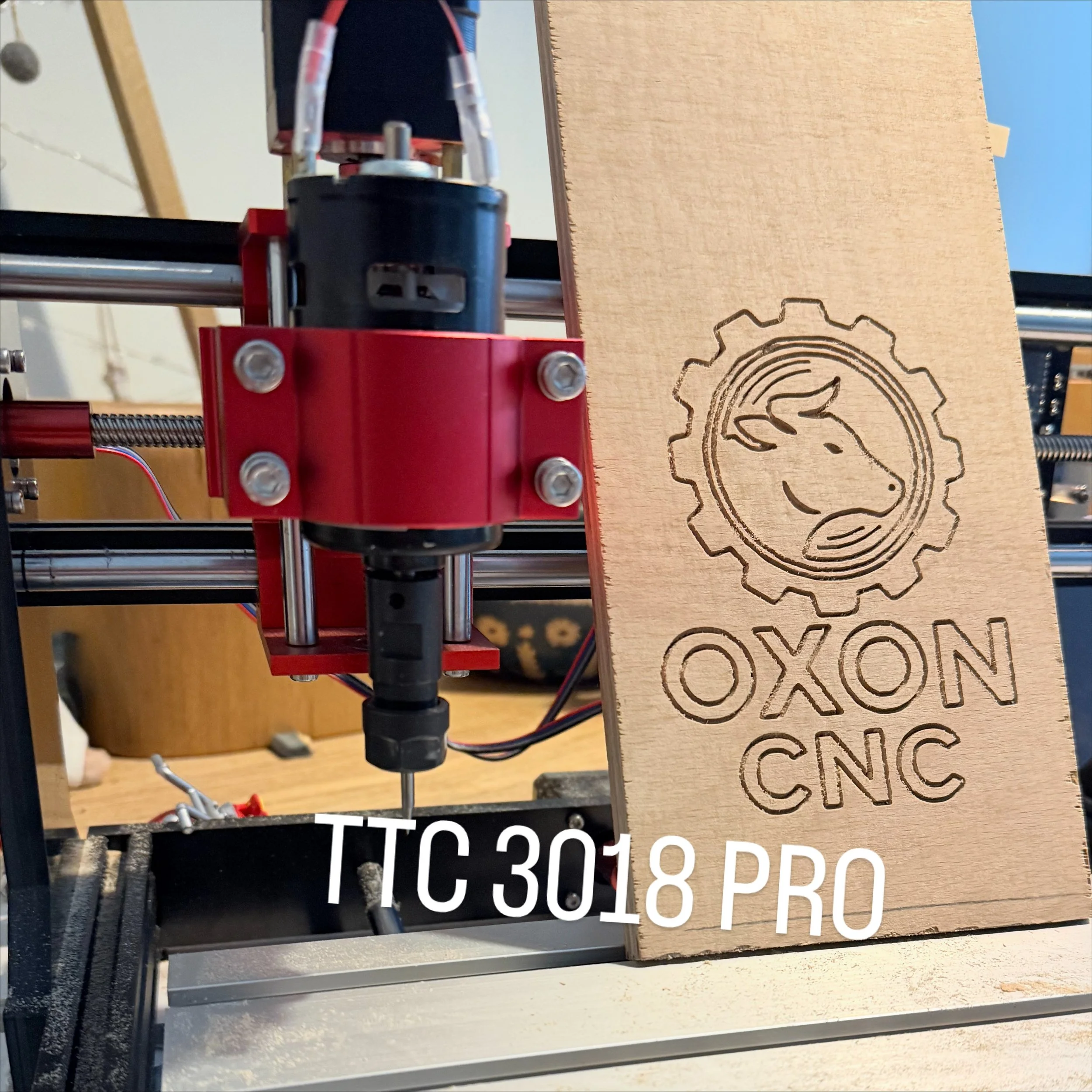
For the first test cuts, I did some simple engraving into 12mm plywood using the engraving bits that came with the machine.
Honestly, I was pleasantly surprised by how well it performed straight out of the box.
I should mention that I’ve used larger CNC machines in the past, so I’m not a complete beginner. But even with that in mind, I still think this machine is very approachable for someone just getting started.
PCB Milling & Probing
One of the main reasons I chose the 3018 Pro was for PCB milling. I wanted to use the probe input and UGS’s auto-levelling feature to compensate for any inconsistencies in the PCB material.
The MKS control board does have probe and end-stop pinouts, but unfortunately it came with an older version of the firmware installed.
Because there isn’t much clear information available on the correct firmware to use, I wasn’t able to get the probing features working properly.
In the end, I decided to swap the control board for a SainSmart board, which is used on their own 3018 machines. That board came with the correct firmware already installed and also supports XYZ end stops, which was a nice bonus.
I did have to tweak a few machine settings — things like inverting the X-axis and adjusting the steps per millimetre — but once that was done, everything worked really well.
Reliability
Reliability is one of the things this machine struggles with the most while keeping the machine with in its capability i found that its got stuck and skiped step with longer job which can mean 4 hours in and a peace is ruined
Materials I’ve Used So Far
Since then, I’ve used the machine to cut and mill plywood, hardwoods, lino, PCBs, and even aluminium.
So far, I’ve been really happy with the accuracy and overall performance.
For most people considering a 3018-style CNC, this machine will do what you need it to do — as long as you go in with realistic expectations. It’s a small machine, so certain jobs will naturally take longer compared to bigger or more expensive CNC routers.
Tips for Getting Better Results
There are definitely a few tricks to getting the most out of a machine like this.
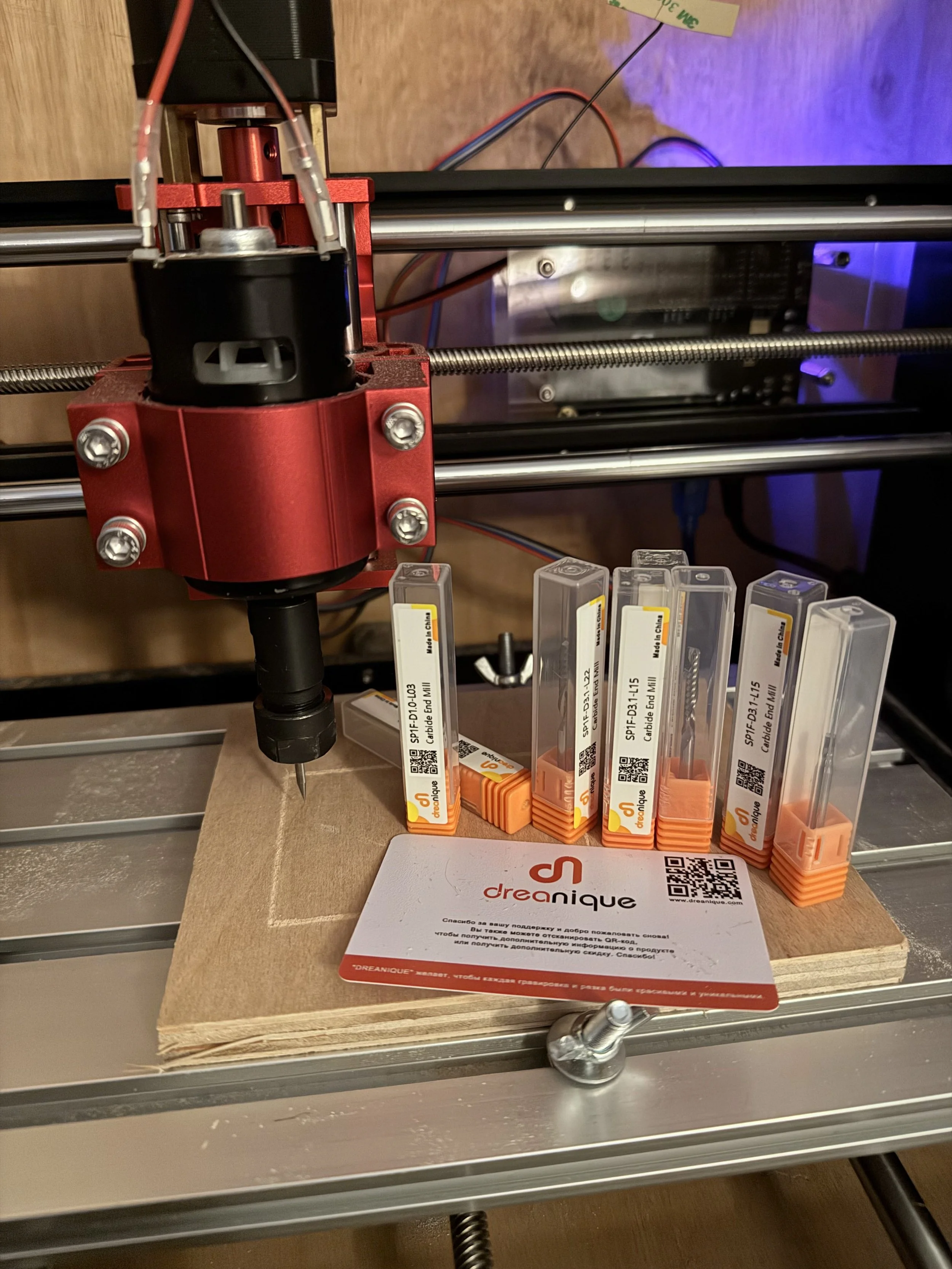
One big one is using single-flute cutters. These let you run slower feed rates without bogging the machine down or stalling the spindle, because they only cut once per revolution. Multi-flute cutters usually need higher RPMs and more torque, which small machines like this can struggle with.
Final Thoughts
Overall, the TTC3018 Pro has turned out to be a solid little machine for its size and price. But reliability issue plague it if your looking for a machine that can perform tasks with in its capability without issue this is not the machine or type of machine for you
It’s not perfect, and it does have some limitations, but if you understand what it is — and what it isn’t — it can be a really useful entry-level CNC, especially for learning, light materials, and projects like PCB milling.